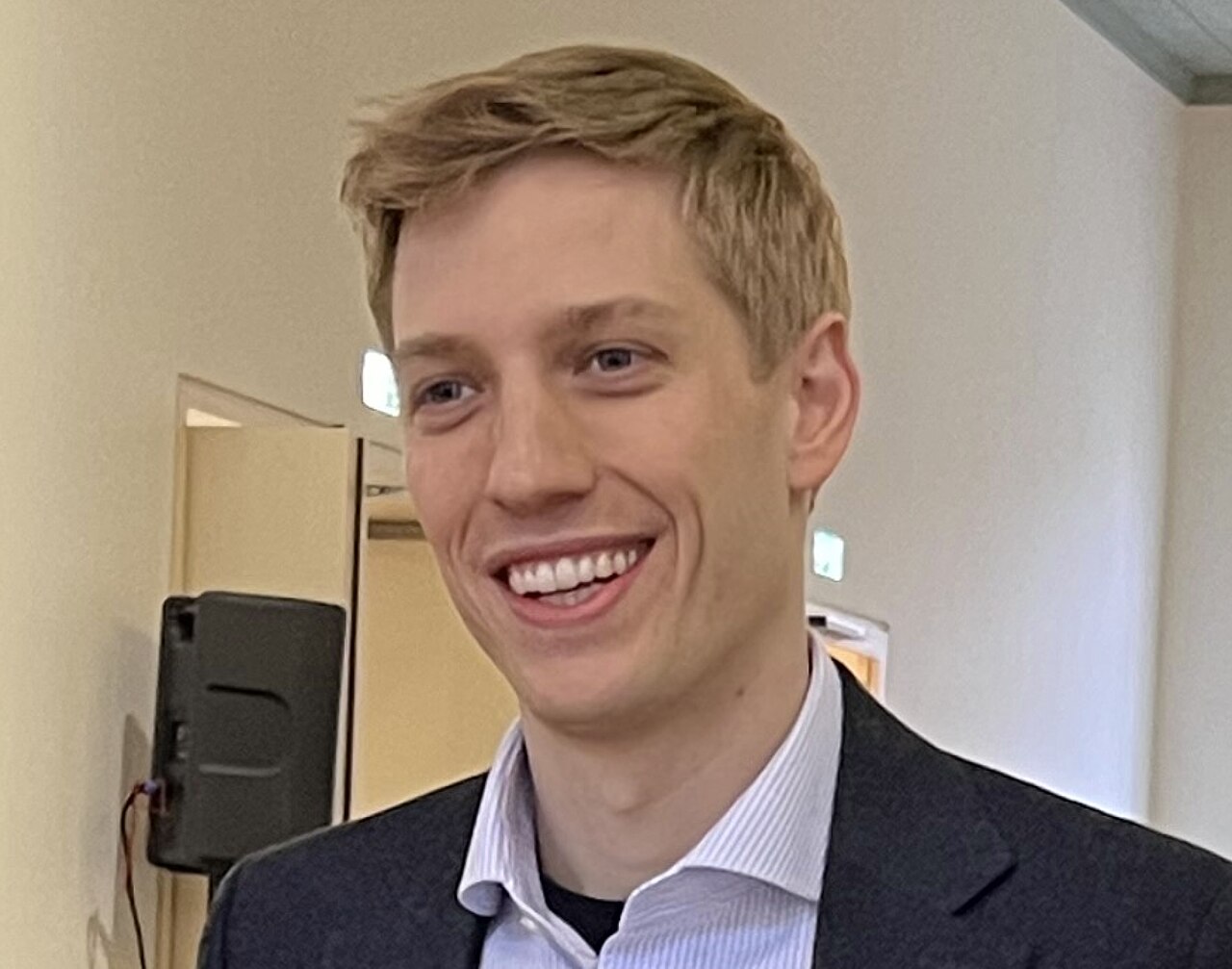
Dominik Krause: Physicist, Politician, and Munich's Green Vision
In the vibrant political landscape of Munich, a new leader is poised to take the helm, promising a fresh, green vision for Bavaria's capital. Dominik Krause, a physicist by training and a passionate Green politician, is set to become the Oberbürgermeister (Mayor) of Munich on May 1, 2026. His journey, marked by academic rigor, progressive advocacy, and a deep commitment to his city, makes for a compelling narrative. For those seeking a comprehensive Dominik Krause wiki-style overview, this article delves into the life, career, and future aspirations of this groundbreaking political figure.
From Physics Lab to Political Arena: Dominik Krause's Early Life and Education
Born on August 3, 1990, in Munich, Dominik Krause's roots run deep in the city he is destined to lead. He grew up in the Obermenzing district, a typical Münchner upbringing that would later inform his local political focus. His academic journey began conventionally enough, culminating in his Abitur in 2009 from the Städtisches Louise-Schroeder-Gymnasium in Allach-Untermenzing.
However, a pivotal experience following his schooling profoundly shaped his future trajectory. Krause opted for civil service, working at an inclusive Montessori school in Großhadern. It was during this period that he witnessed a neo-Nazi march protesting a planned refugee shelter nearby. This stark encounter with right-wing extremism proved to be a powerful catalyst, igniting his political consciousness and solidifying his resolve to actively fight for a more inclusive and democratic society. This experience underscores his later commitment to initiatives like "München ist bunt! e.V.," dedicated to combating right-wing radicalism.
Despite this early political awakening, Krause pursued a different intellectual path initially. He enrolled at the Technical University of Munich (TUM), where he specialized in Physics, specifically "Applied and Engineering Physics." He earned a Master of Science (M.Sc. Physics), demonstrating a strong aptitude for analytical thinking and problem-solving – skills that would undoubtedly serve him well in the complex world of urban governance. His scientific background suggests an evidence-based approach to policy-making, a potentially invaluable asset for a city grappling with issues from climate change to urban development.
A Green Trajectory: Climbing Munich's Political Ladder
Dominik Krause's formal entry into politics began with the Green Youth (Grüne Jugend) in Munich, where he served as a spokesperson from 2012 to 2014. This was merely the start of a swift and significant ascent within the party and the city administration. In 2014, at a relatively young age, he was elected to the Munich City Council (Stadtrat), marking his official transition from activist to elected representative.
His influence grew steadily. From 2019 to 2020, he held the important position of Chairman of the Munich Greens, showcasing his leadership capabilities within the party. He then became the parliamentary group leader (Fraktionsvorsitzender) for the Greens in the City Council from 2022 to 2023. These roles provided him with extensive experience in legislative processes, coalition building, and policy formulation for the city.
A significant milestone came on October 26, 2023, when Krause was appointed Second Mayor of Munich, succeeding Katrin Habenschaden. This position not only elevated his profile but also gave him direct experience in the executive functions of city government.
The culmination of his political journey came with the 2026 mayoral election. In September 2024, Krause announced his candidacy, and in December 2025, he was formally nominated as the Green Party's mayoral candidate. The election proved eventful; after the incumbent Mayor Dieter Reiter encountered some political missteps, Krause advanced to a runoff election with 29.5% of the vote, while the CSU candidate Clemens Baumgärtner was eliminated in the first round. In the decisive runoff on March 22, 2026, Dominik Krause secured a remarkable 56.4% of the votes, making history as the first politician from Bündnis 90/Die Grünen to be elected Oberbürgermeister of Munich. His formal assumption of office on May 1, 2026, will mark a new chapter for both Krause and the city. To understand more about his potential impact, consider reading
Dominik Krause: Munich's First Green Mayor & Future Leader.
A Progressive Voice: Advocacy, Policies, and Controversies
Krause is not just a politician but a vocal advocate for a range of progressive causes. His policy priorities reflect the Green Party's core values, emphasizing citizen rights and democracy, the fight against right-wing extremism, the transition to renewable energies and energy efficiency, and the equality of LGBTQ+ individuals. He has also been a staunch proponent of maintaining and expanding municipal refugee policy. His engagement extends beyond official duties, as evidenced by his long-standing activity with "München ist bunt! e.V." since 2012, highlighting his dedication to creating an open and diverse Munich.
One of the most defining aspects of Dominik Krause's public persona is his openness about his personal life. He is openly gay and publicly announced his engagement to his long-term partner, Dr. Sebastian Müller, in May 2024. The couple, who met during their youth at a dance class, reside in the Obergiesing-Fasangarten district. Krause has actively embraced his identity, even playfully titling himself "BürGAYmeister" to specifically appeal to and represent the queer community. This bold and authentic approach not only connects him with a vital segment of the population but also sends a powerful message of inclusion and acceptance from one of Germany's largest cities. For further insights into this aspect of his public life,
Dominik Krause: From "BürGAYmeister" to Munich's Mayor provides an excellent resource.
Krause has also demonstrated a willingness to challenge conventional thinking, sometimes leading to controversy. Shortly after assuming office as Second Mayor, he garnered significant regional and even national attention with a provocative statement regarding the Oktoberfest. In an Instagram interview, he described the world-renowned folk festival as the "world's largest open drug scene" due to the extensive alcohol consumption. This comment was made in the context of advocating for a more relaxed approach to cannabis use following its legalization in Germany. Krause clarified that he believes both substances should be tolerated, provided their consumption occurs within appropriate limits. This incident highlights his direct communication style and his readiness to spark public debate on sensitive social issues.
Munich's Green Vision: What to Expect from Mayor Krause
As Dominik Krause prepares to take office as Oberbürgermeister, his vision for Munich is rooted in sustainability, social justice, and forward-thinking urban development. His scientific background, combined with his progressive political agenda, suggests an administration that will prioritize data-driven solutions to pressing challenges.
Citizens can expect a strong emphasis on climate protection and energy transition. Krause, as a member of the environmental committee and the supervisory board of Stadtwerke München (Munich's public utility company), is well-positioned to push for ambitious renewable energy projects and enhanced energy efficiency within the city's infrastructure. This could translate into more solar initiatives, expanded public transport networks, and stricter environmental regulations for new constructions.
On the social front, his commitment to LGBTQ+ equality and the fight against right-wing extremism will likely lead to strengthened support for diverse communities and proactive measures to foster an inclusive urban environment. His advocacy for citizen rights and democracy may involve increased opportunities for public participation in decision-making processes, empowering Munich's residents to shape their city's future. For residents, this could mean more transparent governance and accessible channels for civic engagement.
Furthermore, his experience with refugee policy suggests a continued commitment to humanitarian principles and the integration of new arrivals into the fabric of Munich life. As a city often at the forefront of social issues, Munich under Krause's leadership is likely to remain a beacon of progressiveness in Germany. His tenure presents both challenges and opportunities for a city balancing its rich traditions with the demands of a modern, sustainable, and equitable future.
Conclusion
Dominik Krause represents a new generation of political leadership in Germany – one that blends academic rigor with a deep-seated commitment to social and environmental justice. From his formative years in Munich, through his studies in physics, to his rapid ascent within the Green Party, his journey is a testament to the power of conviction and progressive action. As Munich's designated Oberbürgermeister, Krause's vision of a sustainable, inclusive, and democratic city is set to redefine the urban experience for its citizens. His story, as explored in this comprehensive overview, solidifies his profile as a key figure in contemporary German municipal politics and offers a fascinating glimpse into the future direction of one of Europe's most beloved cities.